
Comparison
Which Guest Bed Is Right for Your Room?
Daybed, futon, sleeper sofa or wall bed — decided by measurements, with one pick from each.
Category
Four form factors, one decision. These guides pick between them, show you how to measure the room first, and answer the comfort questions honestly — including when the answer is no.
Some links on this page are affiliate links. If you buy through one we may earn a commission at no extra cost to you, and it does not change what we recommend or how we rank it. Full disclosure.
Four form factors, one decision — and it is almost always made by the floor rather than by taste. These guides do three jobs: they pick between the formats, they show you how to measure the room before you order anything, and they answer the comfort questions honestly, including when the answer is no.
The comparison layer is the part of this category nobody else has built. Every competitor publishes product dimensions; almost none publishes a method for deciding which format your room can take, and none publishes the number that decides it — how much floor the bed eats once it is open. That is what these pages are for.
The four formats, permanent depth against nightly depth
Read that table twice, because it contains the finding most people get backwards. The wall bed has the smallest permanent footprint and the largest temporary one. The daybed has the largest permanent footprint and no temporary one at all. So the question is never “which is smaller” — it is “do I need the floor during the day, or the wall?”
The second question is how many nights a month. One to six, a convertible sofa is proportionate and the seam does not get tested. Six to twenty, a daybed with an eight-inch mattress or a futon frame with an eight-inch pocket-coil mattress. More than twenty, or if it is your own bed, a wall bed or a cabinet bed — you get a conventional mattress and the floor comes back every morning.
The mistake almost everybody makes is measuring to the opposite wall instead of to the nearest fixed obstruction, and then forgetting the walkway. There is no manufacturer figure for a sofa, so we use 30 to 36 inches across the whole site: the ADA accessible-route standard sets 36 inches as a minimum clear route width, and Bestar independently recommends 30 to 36 inches of clear movement space around an open bed. Open depth plus 30 inches is your real space requirement.
Everything in guides
Comparison
Daybed, futon, sleeper sofa or wall bed — decided by measurements, with one pick from each.
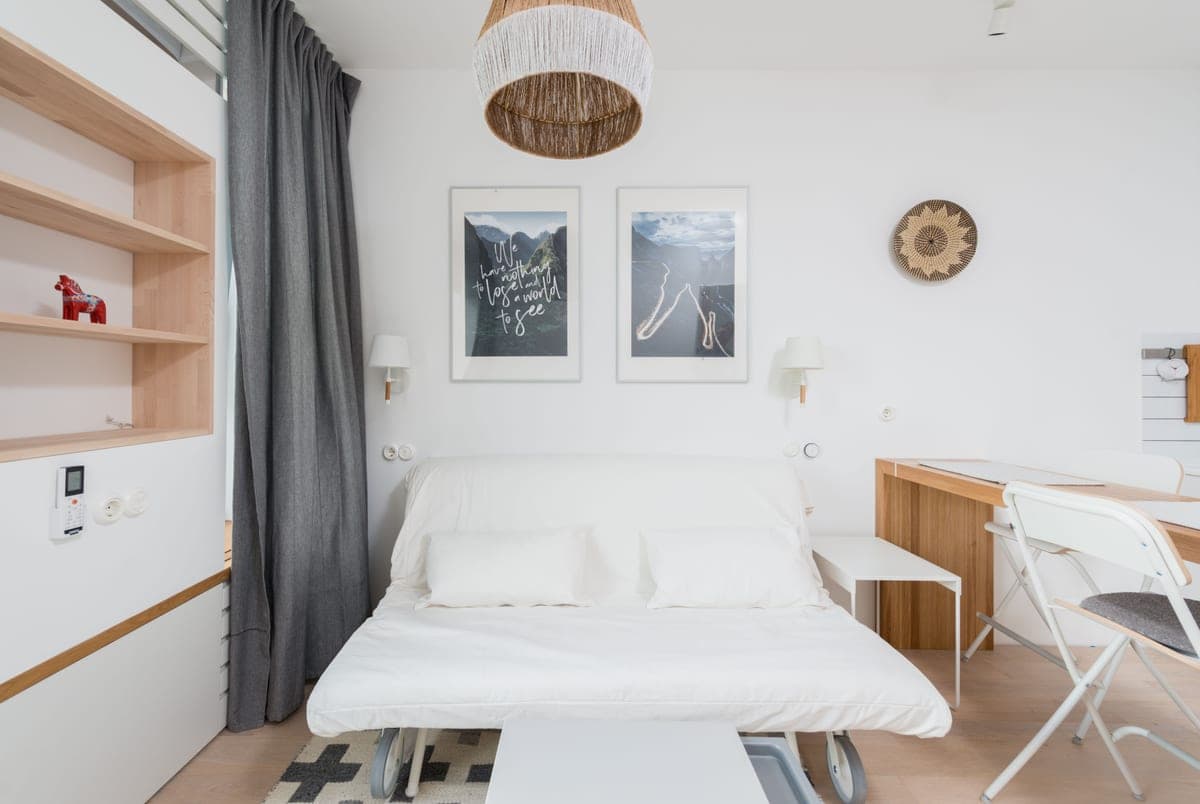
Comparison
Two words, two different machines. The floor-space difference is about 30 inches.
Comparison
A real mattress at constant depth, or a fold seam that folds away. Pick your trade.

Comparison
One compromises on looking like a sofa, the other on being a bed. Which does your room mind less?

Comparison
One measurement settles this. Take it before you look at a single product photo.
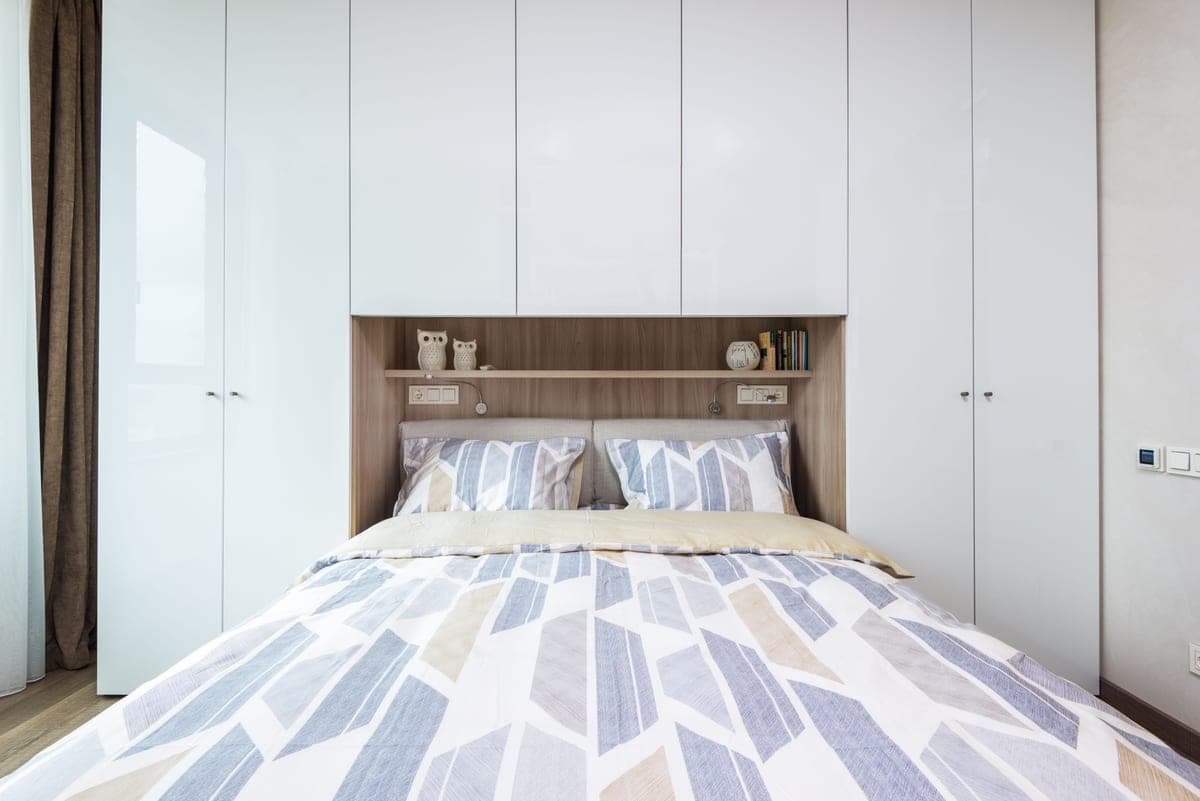
Comparison
The wall bed has the smaller permanent footprint. What it costs is a ceiling and a lease.

Straight answer
It depends on one number: mattress depth. Under six inches, no. Eight with coils, yes.

Straight answer
The honest answer is no, for two structural reasons. What to buy instead in the same footprint.

Straight answer
Yes — the sleeping is the easy part. The real caveats are width and the seating position.
Straight answer
Yes, on two conditions. The three things that actually cause problems, and how to check them.
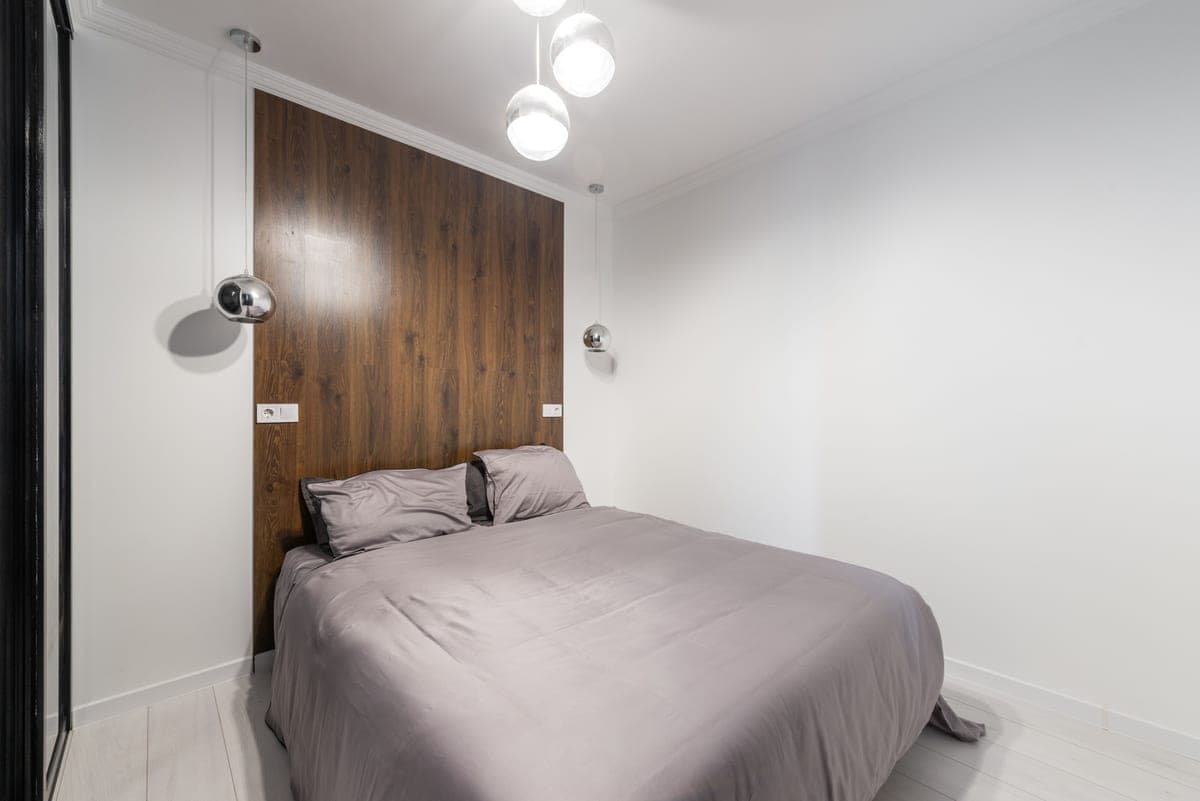
Straight answer
A counterbalanced hinge. Which is why the mattress has a minimum weight as well as a maximum.
Straight answer
Usually yes — which kind depends on your lease and your ceiling. Three tiers, explained.
Planning
Six measurements, ten minutes. Almost every return in this category is preventable here.
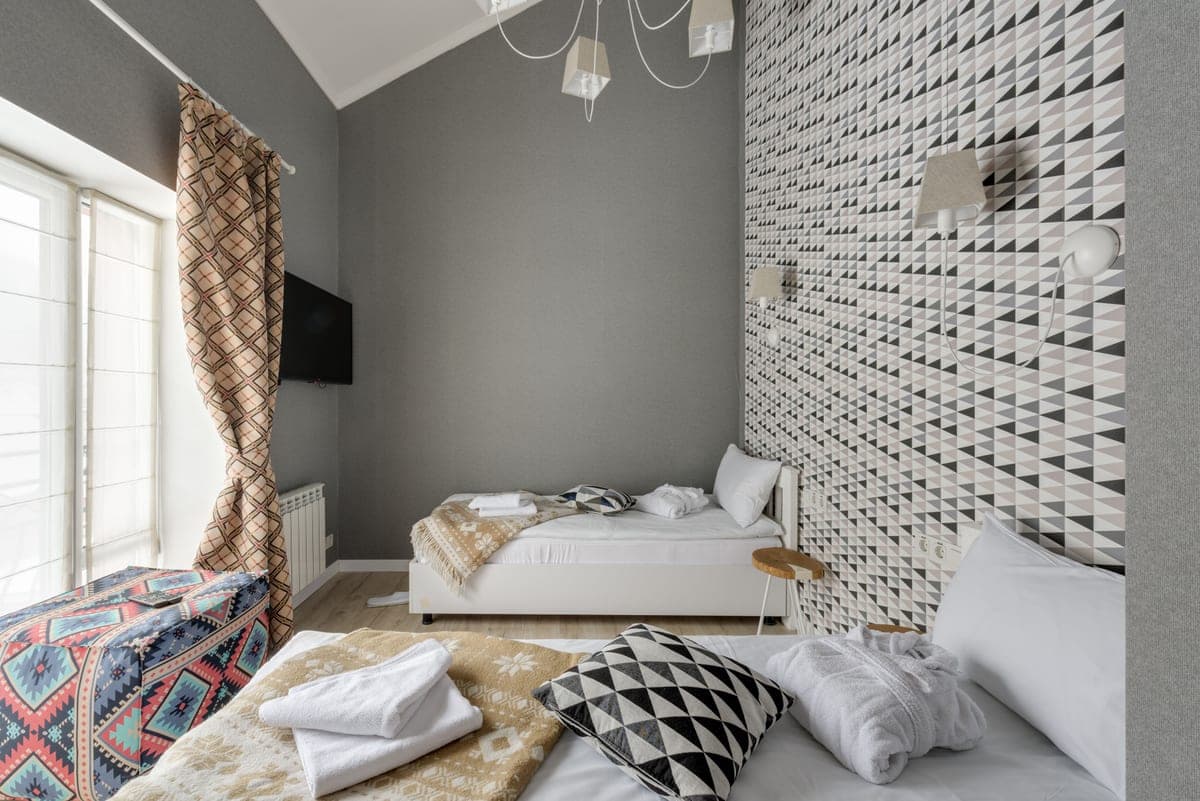
Reference
A sofa-bed queen is 58 by 72 inches. The full size reference, and the names that mislead.
How-to
Both mechanisms, step by step, plus the four reasons one feels stuck when it is not broken.
How-to
The fixes that work, ranked honestly — starting with the one that actually changes things.

How-to
Five fixes in the order they help, plus two that do nothing. The slat problem included.
How-to
Sitting is the problem, not sleeping. One bolster fixes it, and scatter cushions do not.
How-to
Wall beds already sleep well. The three daily annoyances, and the limits you must work inside.
Planning
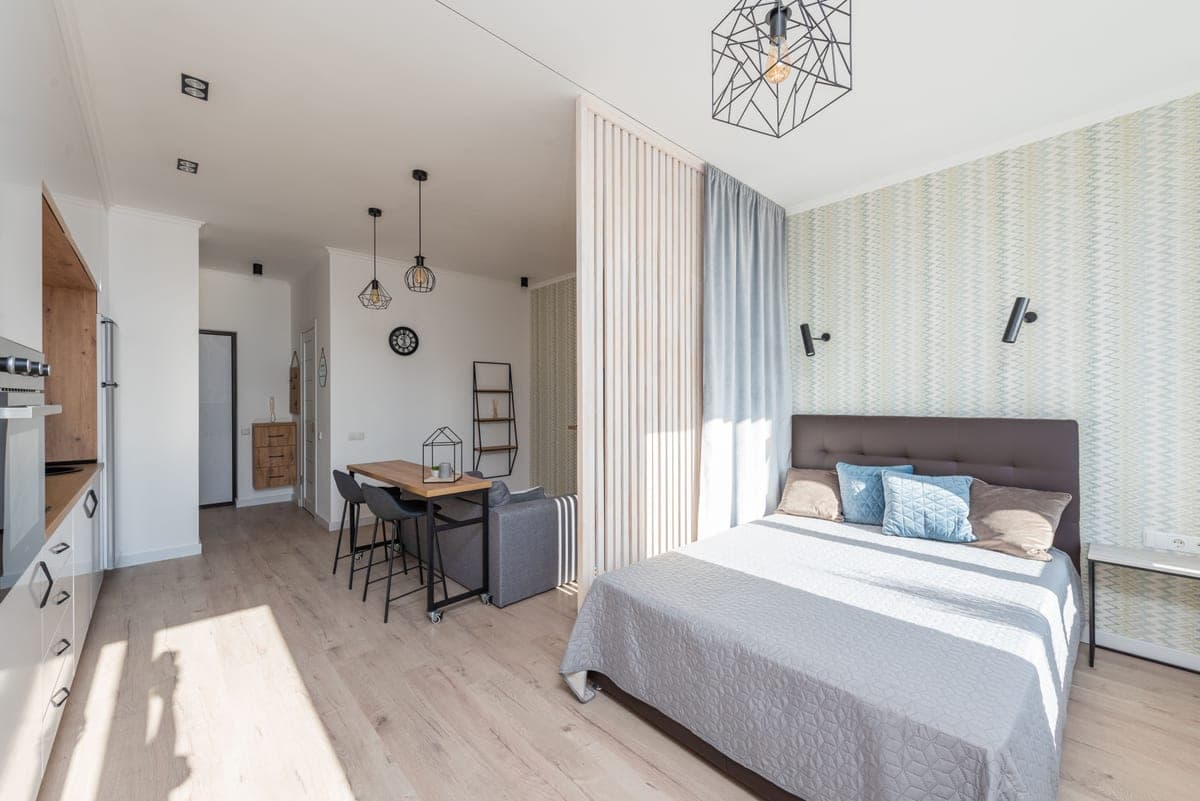
Seven arrangements ordered by permanent floor cost, each with the measurement that decides it.
Planning
Six options for when a sofa bed does not fit the room or does not sleep well enough.

Roundup
For the friend whose sofa is the guest bed. What lands, and what to check before ordering.
Top pick
Milliard 6-Inch Tri-Fold Memory Foam Mattress
#ad how we earn · we do not print prices
Roundup
The lower price band: things that improve the guest bed they already have.
Top pick
Milliard 6-Inch Tri-Fold Memory Foam Mattress
#ad how we earn · we do not print prices
Before you buy
Start with how to measure for a sleeper sofa. Six measurements, ten minutes, and it applies to every format here rather than just to sofas. Almost every return in this category is a fit problem rather than a comfort problem, and every one of them is preventable at that stage.
Then take the numbers to which guest bed is right for your room, which sorts the four formats by exactly those constraints and names the three things that rule options out: a ceiling under about 7 ft 5 in, a lease that forbids fixings, and a narrow doorway or awkward stairwell.
If you already know the format and want the head-to-head: futon vs sofa bed settles the mechanism question, daybed vs futon settles permanent depth against a fold seam, and Murphy bed vs sleeper sofa explains why the wall bed takes less permanent floor than the sofa.
If what you actually want is a straight answer on comfort, the objection pages lead with it above the fold and then earn the rest: are futons comfortable to sleep on, can you sleep on a sleeper sofa every night (the answer is no, and we explain why properly), and are daybeds comfortable for adults.
And if you already own the thing and it is uncomfortable, the how-to guides rank the fixes by how much they actually help rather than by how often they are recommended. The short version: replace a pull-out’s mattress, use a firm topper rather than a soft one on a split-back, and close the slat gaps on a futon frame.
Compare and decide
Sleeper Sofas
Sleeper Sofas and Pull-Out Couches for Small Spaces
Split-backs, click-clacks and real pull-outs — ranked on how much floor they eat open, not how they look closed.
Futons
Futons and Futon Mattresses for Small Spaces
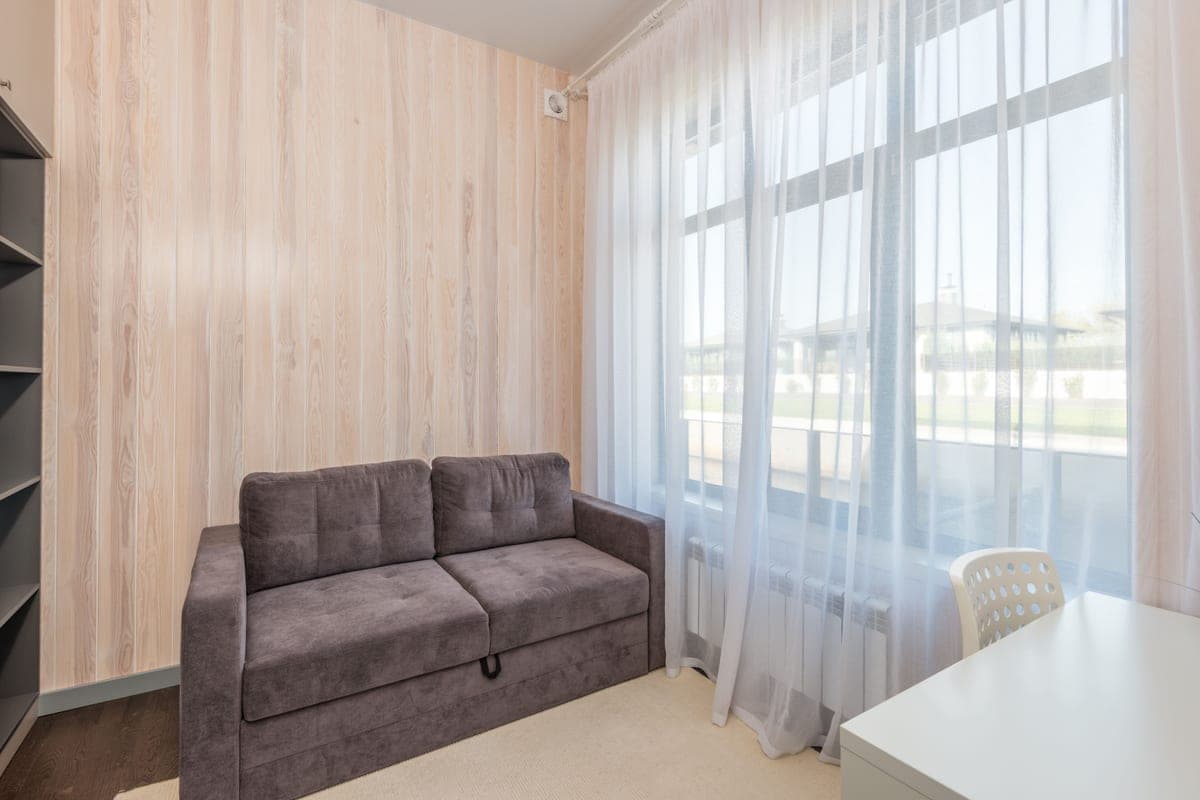
The cheapest way to sleep a guest — and the category where mattress depth, not the frame, decides whether it works.
Murphy Beds
Murphy Beds and Wall Beds for Small Apartments
A real queen mattress that gives the floor back every morning — if your ceiling is tall enough and your lease allows it.
Daybeds
Daybeds and Trundles for Small Spaces
The guest bed with no mechanism to fail — already made up, and honest about the fact that it looks like a bed.